
Recent Posts
Check in regularly to see what’s new!
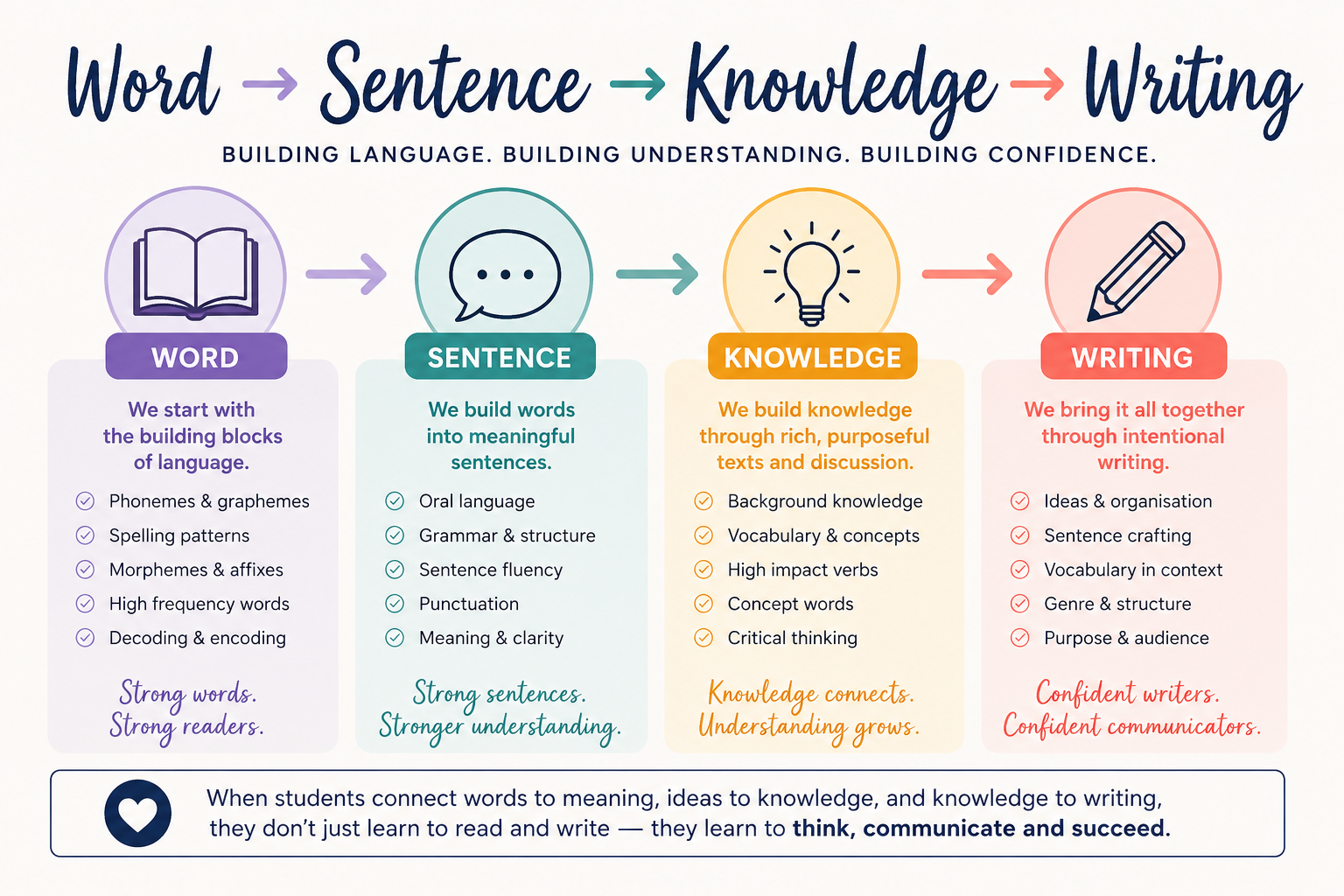
My Teaching Progression
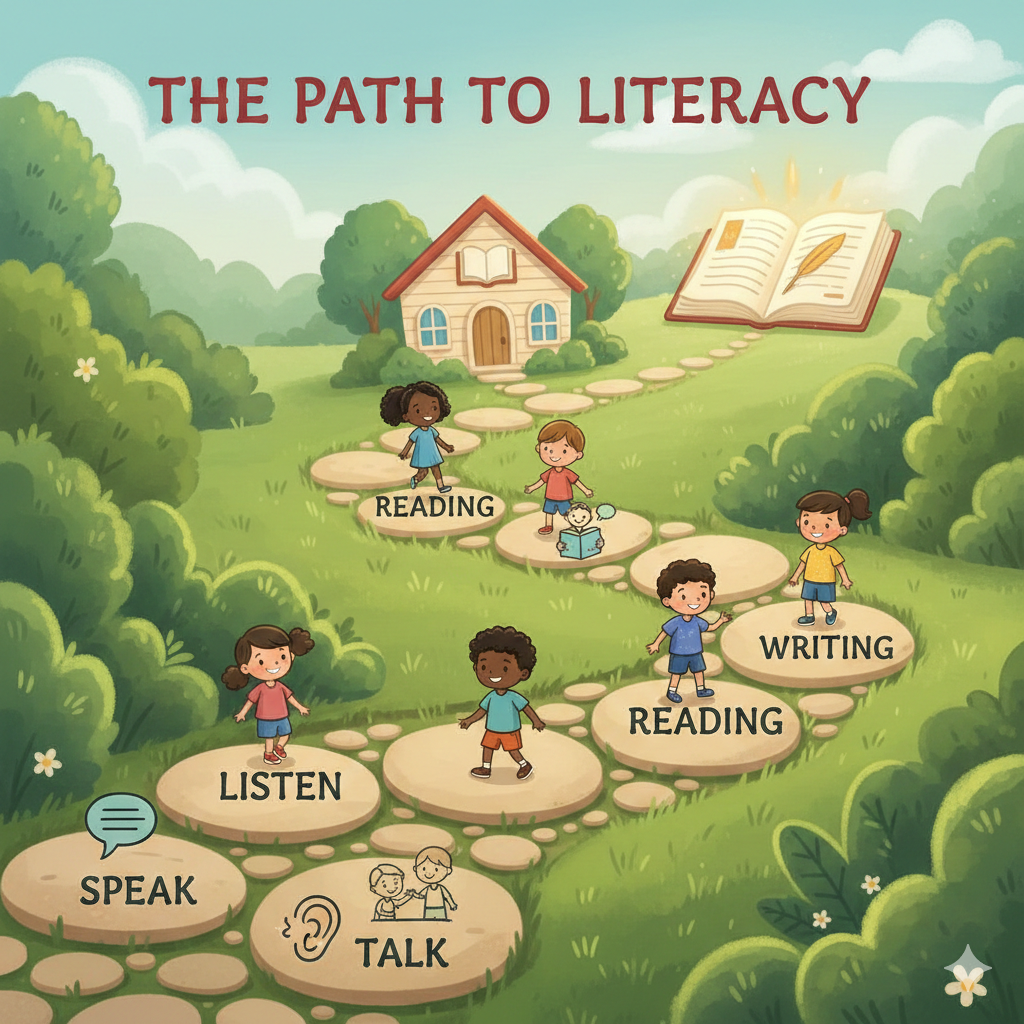
My structured literacy teaching has evolved beyond phonics. Discover how I now integrate decoding, morphology, vocabulary, knowledge-building, comprehension, and writing into one cohesive learning journey.
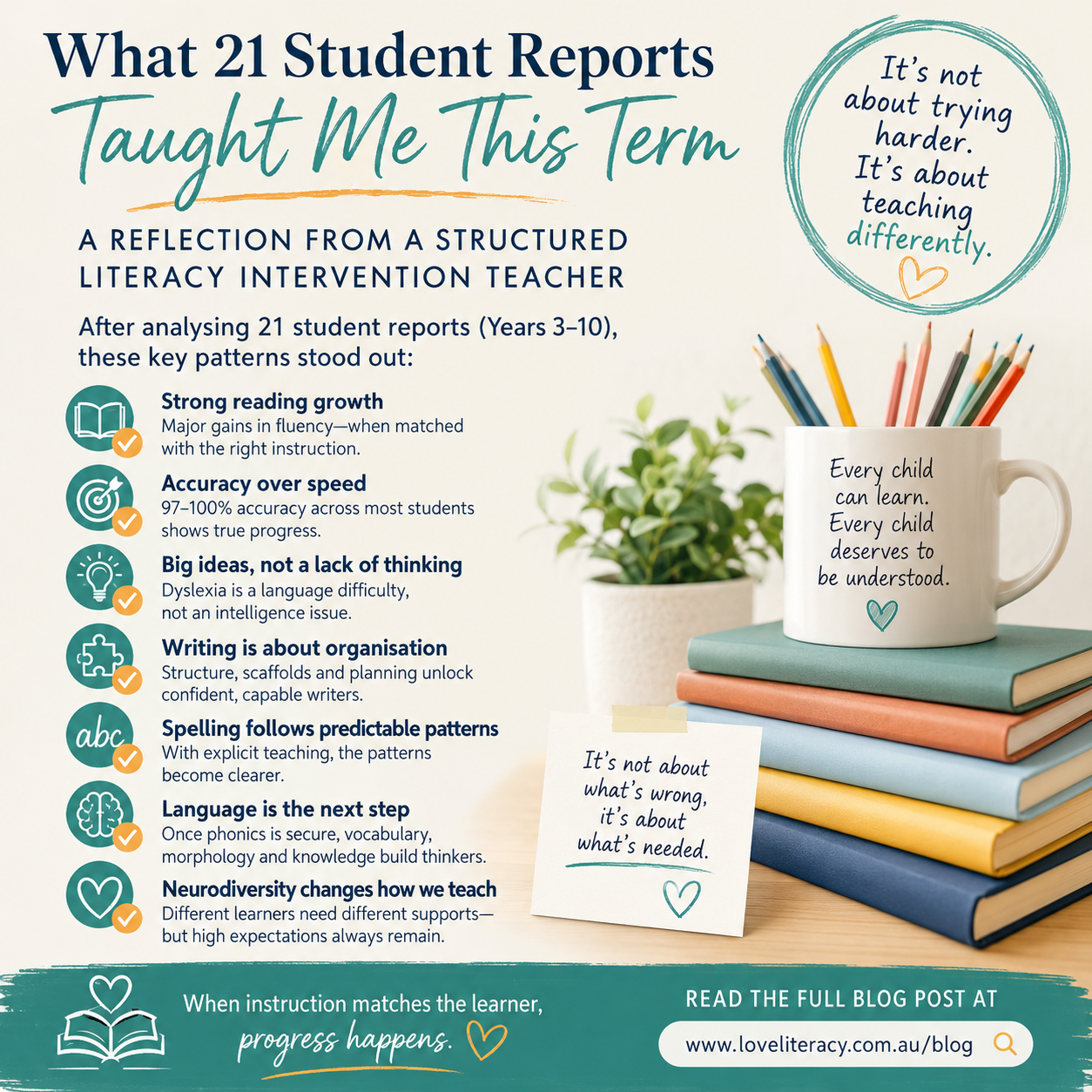
What 21 Student Reports Taught Me About Dyslexia, Neurodiversity, and Effective Literacy Instruction
This week, I finished writing reports for 21 of my intervention students.
Like most teachers, I started by looking at reading rates, spelling, and writing progress. But then I did something different.
I stepped back and analysed the data across the whole group. What I found wasn't just improvements in literacy. It was patterns.
💛 Dyslexic students who could explain incredibly complex ideas but struggled to organise them on paper.
💛 Students whose reading speed appeared to plateau... until I realised they were reading much harder texts.
💛 Children who weren't lacking ideas—they simply needed help reducing the cognitive load of writing.
💛 Students who made the greatest gains when the teaching changed to match how their brains learned.
One comment from a classroom teacher has stayed with me all week:
"Sometimes I wonder if I'm just not a very good teacher because I have students I just can't seem to teach."
I don't believe that's true. Sometimes the problem isn't the teacher. Sometimes the instruction simply hasn't been matched to the learner.
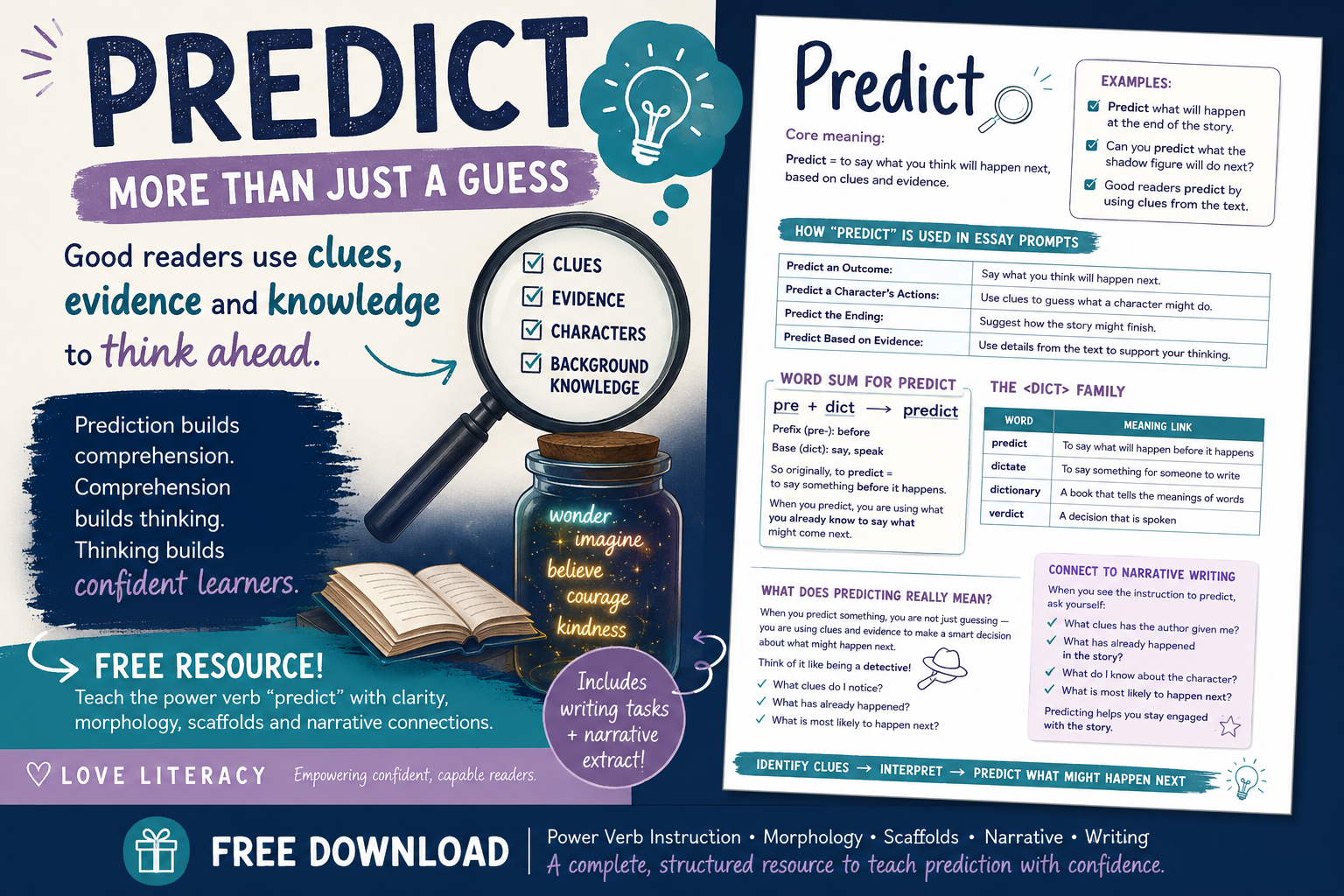
🔮 Predicting: More Than Just a Guess
🔮 “Prediction is just guessing…”
This is something I hear from students ALL the time.
But prediction is actually far more complex than that.
Good prediction requires students to:
✨ notice clues
✨ use evidence
✨ think about character behaviour
✨ understand cause and effect
✨ draw on background knowledge
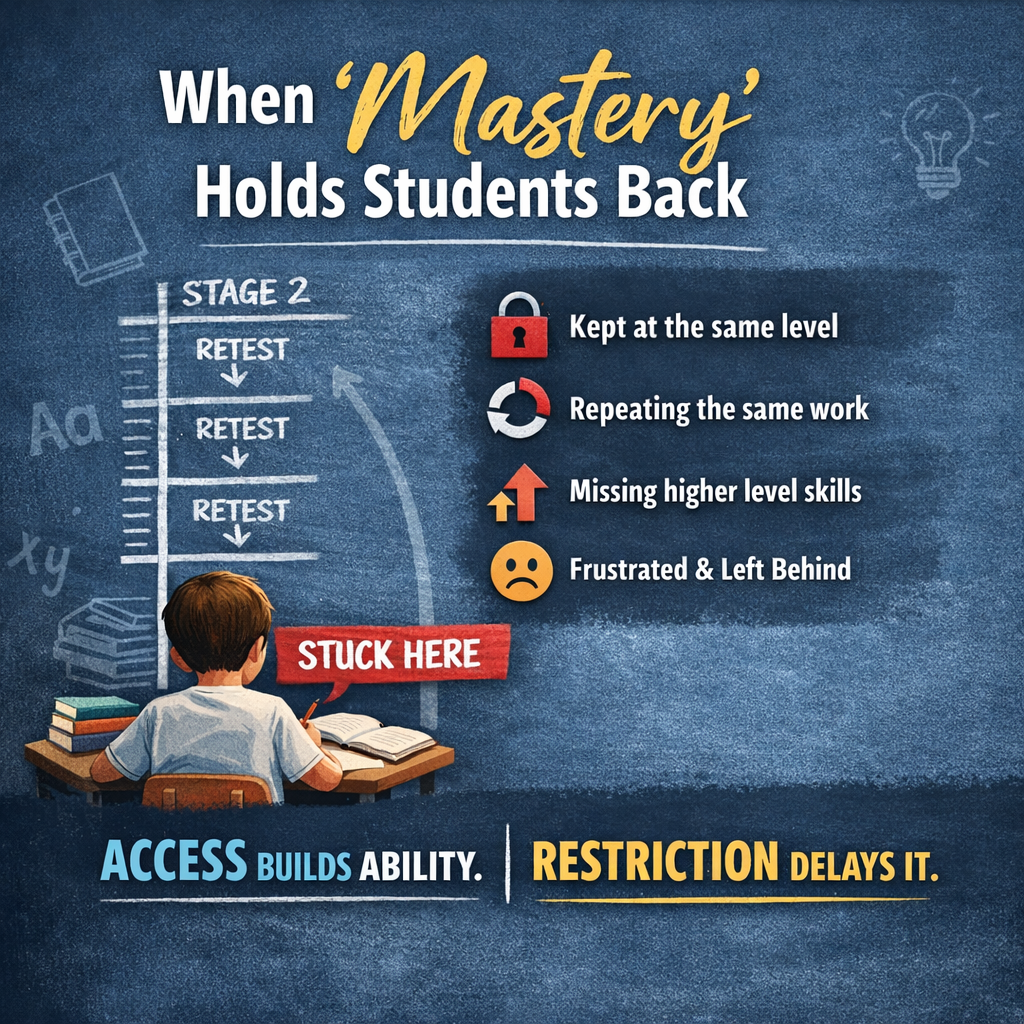
When “Mastery” Holds Students Back
Are we misunderstanding “mastery”?
Too many students are being held at the same level for years, repeating the same content, because they haven’t achieved perfect spelling accuracy. But research shows that access to richer language is what actually drives progress. In this post, I unpack why our definition of mastery needs to change—and what we can do instead.
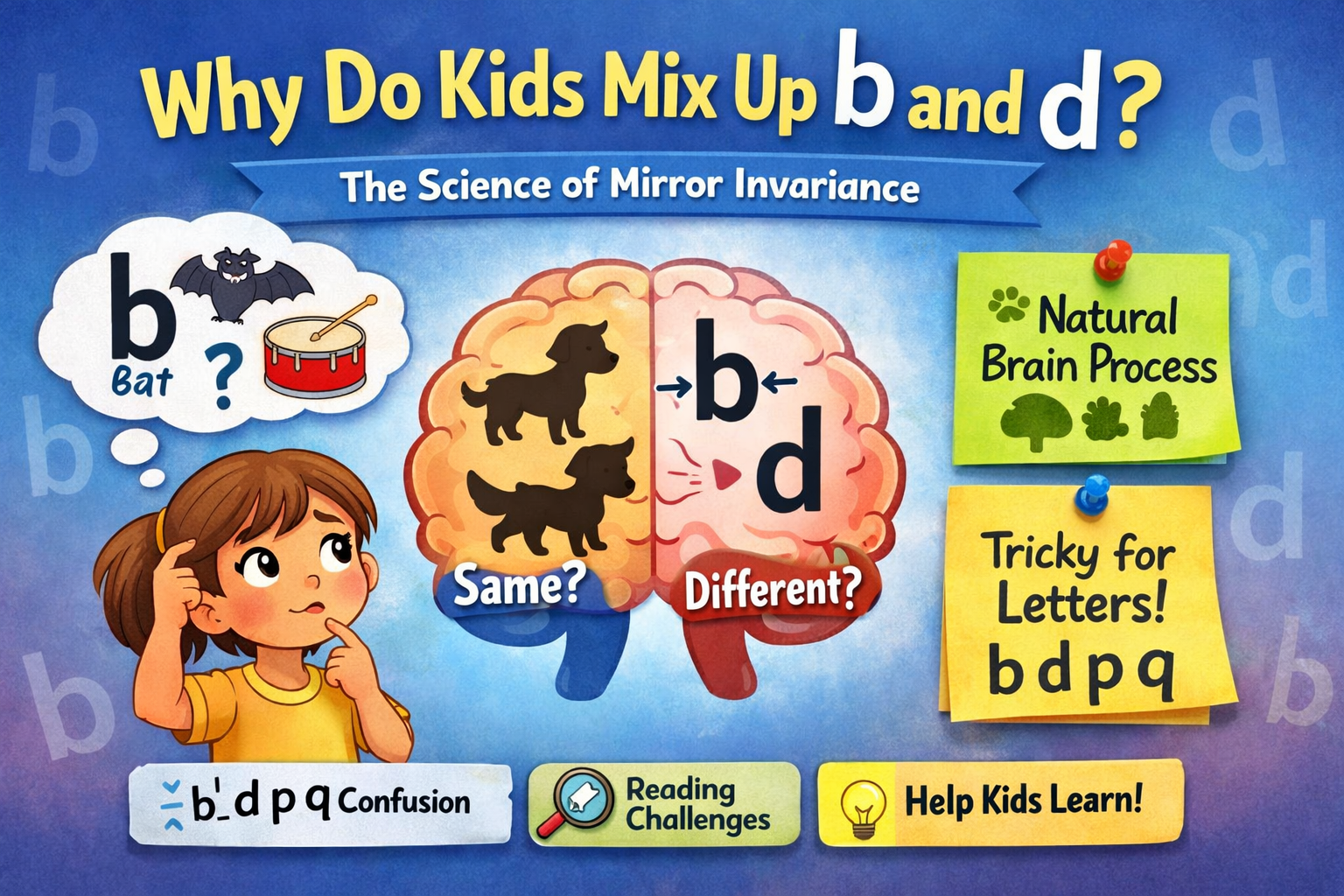
🧠 Why Some Children Mix Up b, d, p, and q
Why do children mix up b, d, p and q?
It’s not carelessness—and it’s not something they’re “getting wrong.”
It’s actually the brain doing something incredibly clever.
Humans are wired with something called mirror invariance, which helps us recognise objects no matter how they are turned or flipped. This is essential for everyday life, but it creates a challenge when learning to read, where direction matters.
In this post, I break down:
What mirror invariance is
Why it’s important
Why it causes letter confusion
And how we can support learners using evidence-based approaches
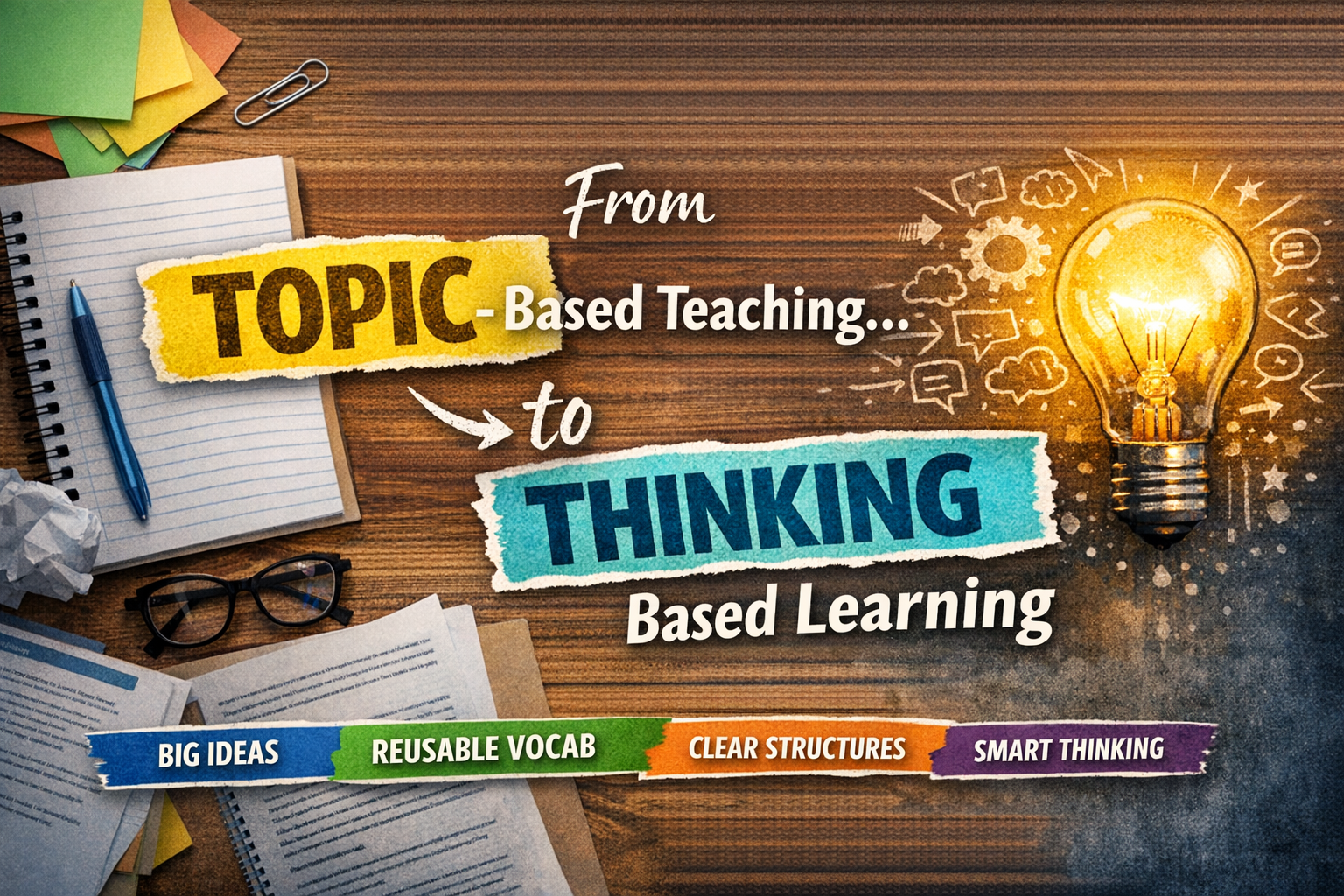
NCEA Literacy Unit
How do we prepare students for writing tasks they’ve never seen before?
This week, I found myself rethinking how I approach writing with my older learners. Instead of planning around individual topics like phones in schools or homework, I began asking a different question:
👉 What knowledge and language will transfer across many writing tasks?
The answer led me to focus on big ideas, reusable vocabulary, and high-impact thinking. Because when students understand how to approach a task—not just the topic—they’re far more confident, capable, and ready for anything that comes their way.

Spelling Is Not Reading: Why We Shouldn’t Match Books to a Child’s Spelling Level
Too many students are being given books that match their spelling gaps, not their thinking ability. But reading and spelling are not the same process. In this post, I unpack my thoughts as to why matching texts to spelling level can undermine confidence, especially for dyslexic learners.
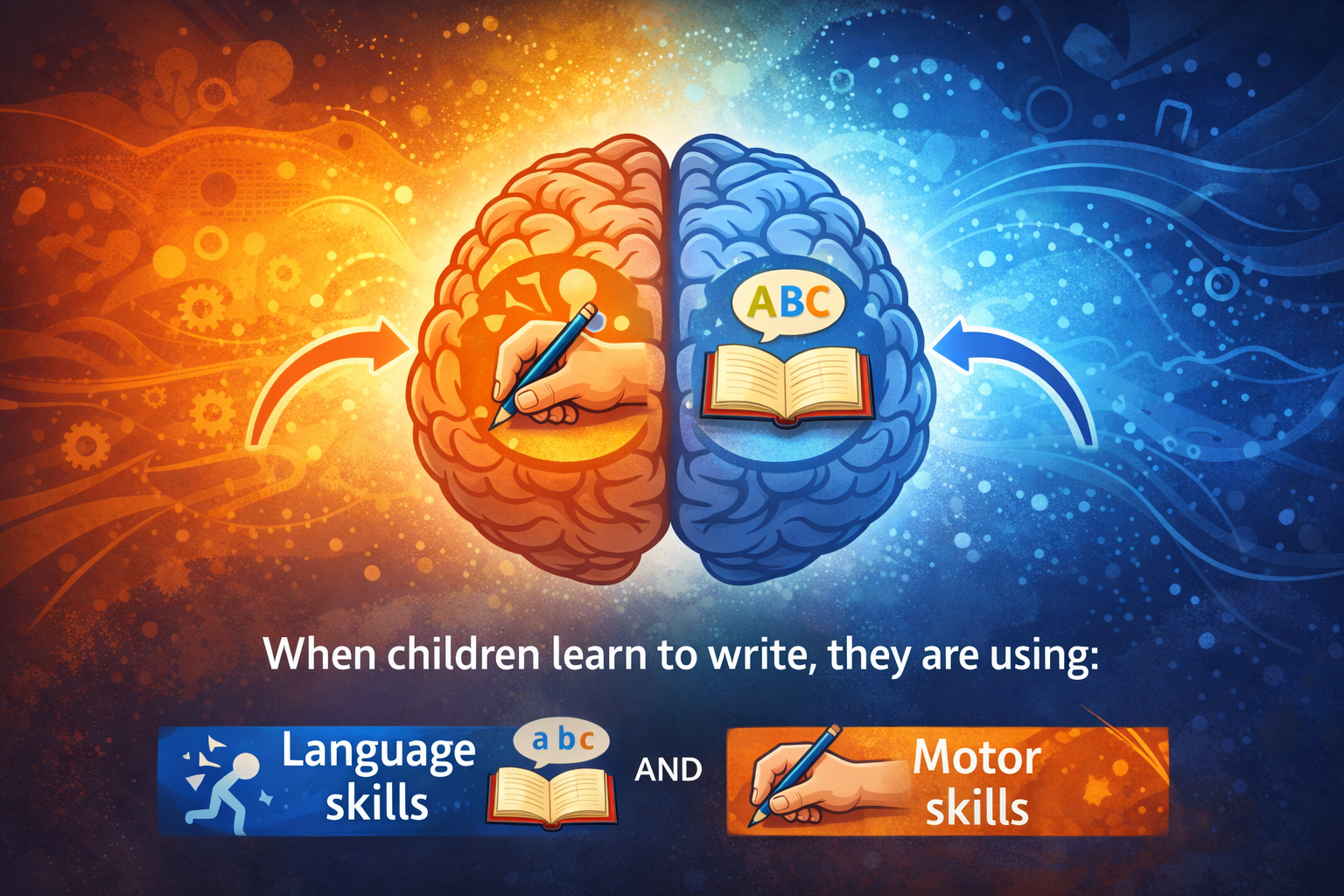
Why Do We All Learn the Same Letters… But Have Different Handwriting?
Recently, one of my 10-year-old students asked me a question that really made me pause:
“How come we all learn letters the same, but we all have different handwriting?”
Such an insightful observation, and the answer tells us a lot about how literacy actually works.
☕ The Power of a Reading Ritual: Turning Struggle into Safety
Over the holidays, I read the book Atomic Habits by James Clear, and one of the ideas that has stayed with me long after I closed the book is this:
If we want to improve at something, we don’t rely on motivation. We build a ritual around it.
And it got me thinking about reading, surprise, surprise!
Insights from watching an old TV Show
Over the holidays, I stumbled on Everwood, a show that felt good to watch. It wasn’t too silly, or too teenagey, it’s just a really nice drama. It also not been some mind-numbing binge; it’s quiet, character-driven, and surprisingly… engaging. The storylines are relatable. I was a teenager once (lol), and I parent teenagers now. And, oddly enough, it’s full of rich language. Vocabulary like eloquent and ruminate are sprinkled through everyday dialogue and used naturally by kids. The other day, I heard the word asinine for the first time, and I had to look it up! The other interesting thing is that there are no phones and no laptops on the dining table. No constant buzzing or scrolling. Just people talking, thinking, and interacting together.
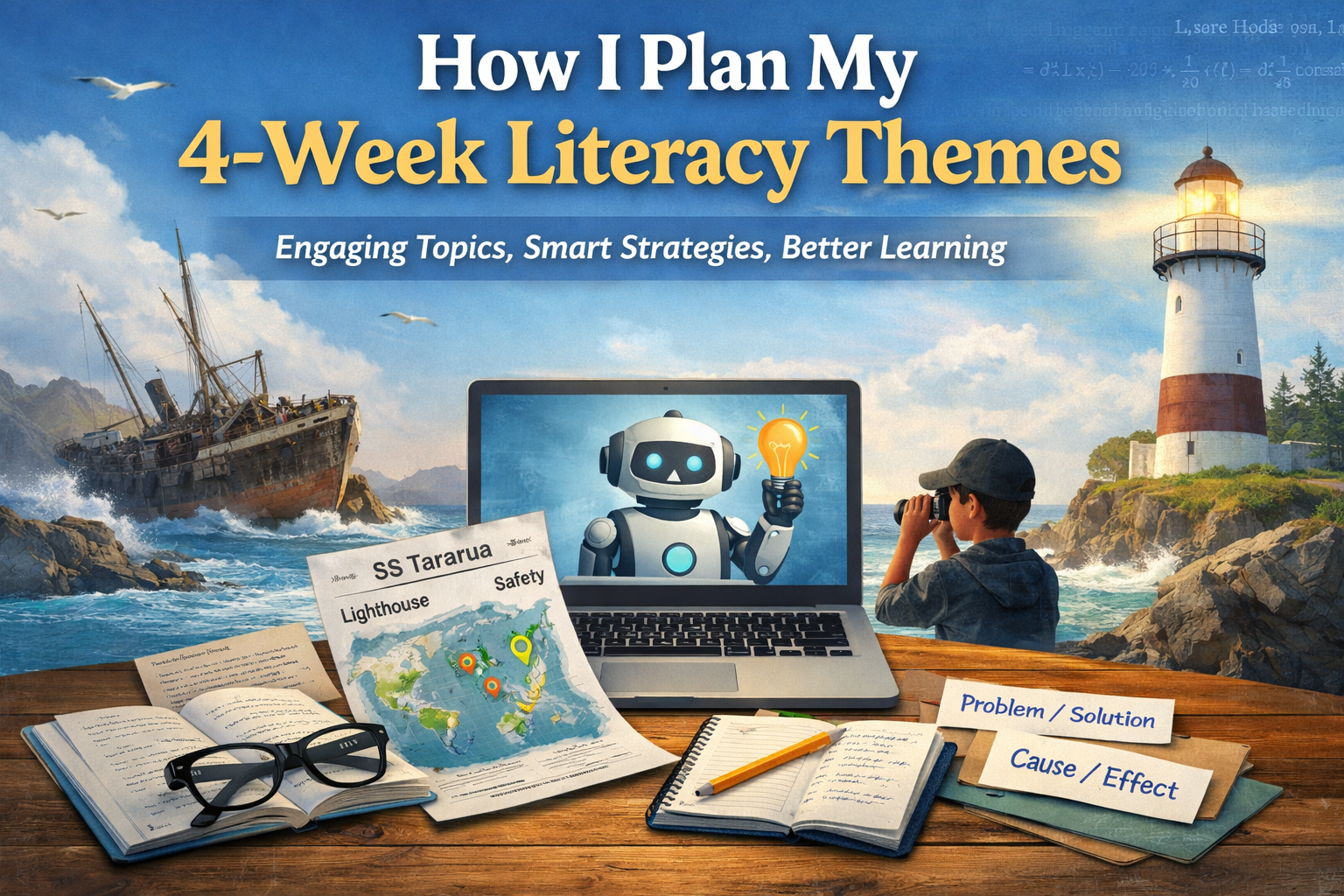
How I Plan My 4-Week Literacy Themes (and Why They Work)
I’ve had a lot of interest recently in how I design and run my 4-week literacy themes, so I thought I’d share a little more about my process.
I was just having a great conversation with two colleagues about this, and it struck me that it might be helpful to turn it into a blog post for anyone wanting to give something similar a go.
This is simply my approach; it’s not a formula, but it’s worked really well with my learners, particularly those who are dyslexic, autistic, ADHD, or have language difficulties.
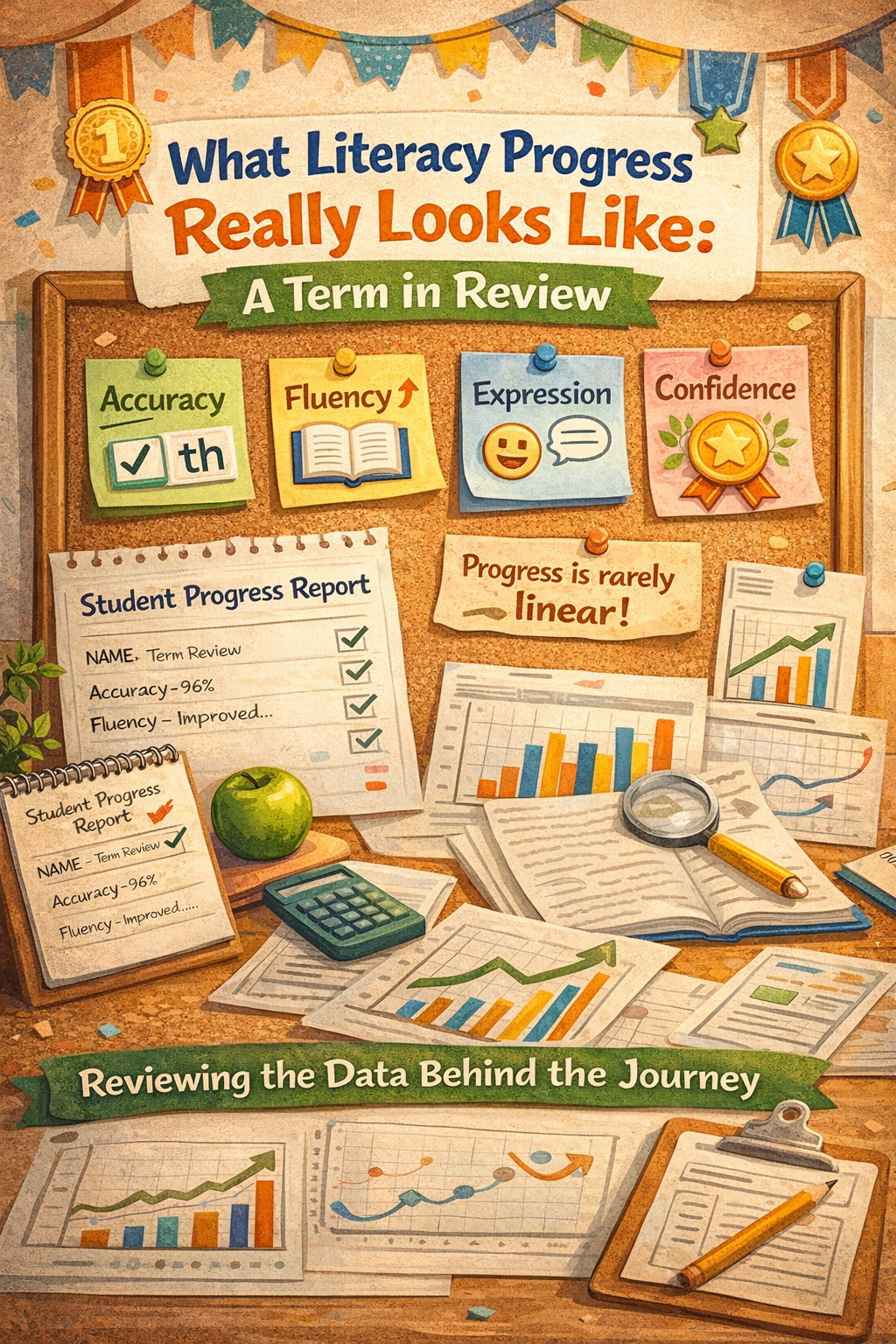
What Literacy Progress Really Looks Like: A Term in Review
At the end of each term, I sit down with a large set of data: reading speeds, accuracy scores, writing samples, spelling patterns, behaviour notes, and confidence observations. I write individual reports for every student I teach, and while this is time-consuming, it is also one of the most important parts of my work.
I also like to harness the ease of plugging data into Chat GPT, and as I did I could see some patterns emerging. As I have shared these previously, I thought I might also share the end of 2025 data. It tells an important story about literacy progress that often gets missed when we focus on a single score or number.
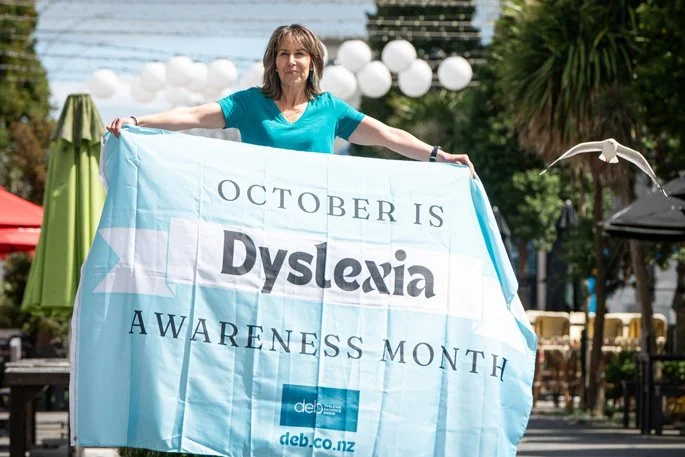
Days 11 – 19 of Learning About Dyslexia
October is Dyslexia Awareness Month, and we’re now past the halfway point in my 31 Days of Learning About Dyslexia series. Over the past week and a bit, I’ve kept unpacking common myths, everyday classroom signs, and practical insights that help us understand dyslexia more deeply. These have all been videos, and here I’ve uploaded the transcript and asked Assistive AI to break it down for you into easy to read chunks. Here’s what we’ve learned from Days 11 to 20.
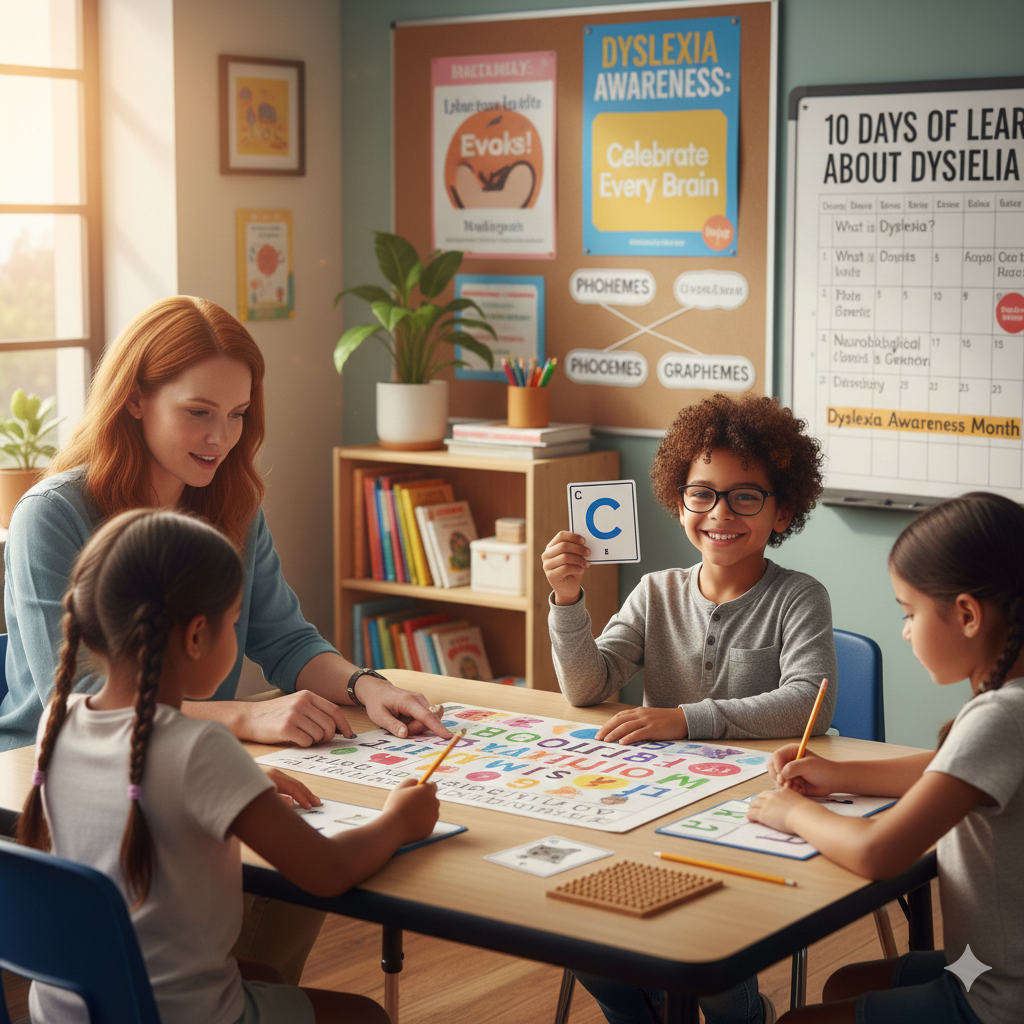
10 Days of Learning About Dyslexia
October is Dyslexia Awareness Month, and I’ve been posting daily videos about it to raise awareness and understanding. I decided to pop these all into a short, easy-to-digest blog post. I see this as a time to build understanding, empathy, and action for those with this common learning difference. Over the past 10 days, I’ve been sharing daily video insights to help bring some clarity to dyslexia and shed light on what it really means for learners and families.
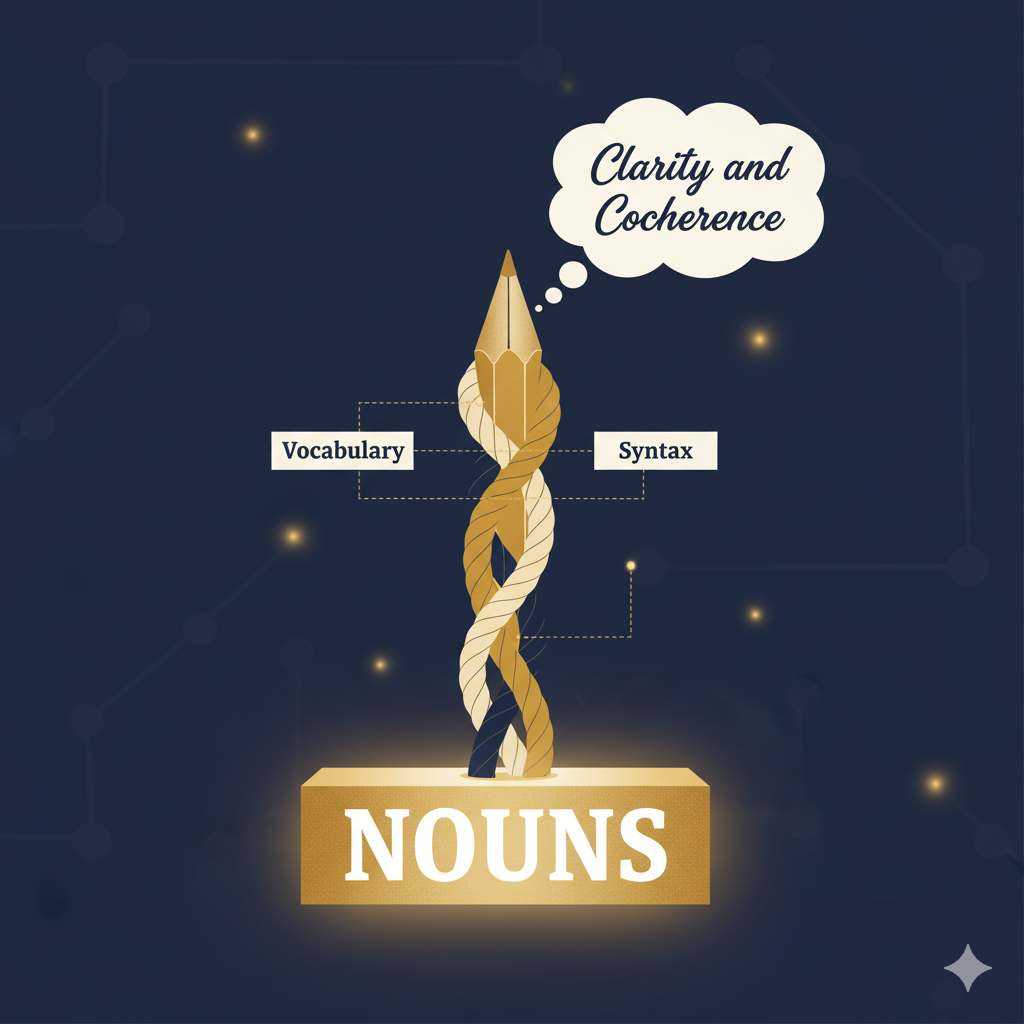
What is a noun?
A noun is a word that names a person, place, thing, or idea. Nouns are the building blocks of sentences because they tell us who or what the sentence is about. Nouns can be concrete, such as a person, place, or thing, or abstract, such as a feeling or idea. They can also be broken down further into common nouns and proper nouns. Common nouns do not need a capital letter; however, proper nouns do, as they name something specific.
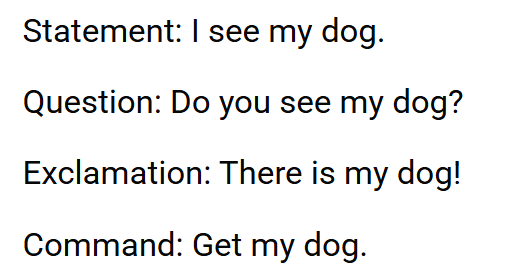
Why do we start at the sentence level with writing?
Whenever I am teaching a new student in my practice, chances are I am not just teaching them reading, but also writing. As Pam Allym (2014) says, “reading is breathing in, writing is breathing out”. The two areas are interconnected, and I wouldn’t see myself as a good teacher if I were not teaching both. Generally, I find that after doing a literacy assessment, most students do not know how to write a coherent sentence. Therefore, starting with sentence-level learning for all my students provides clear boundaries for young or struggling writers.
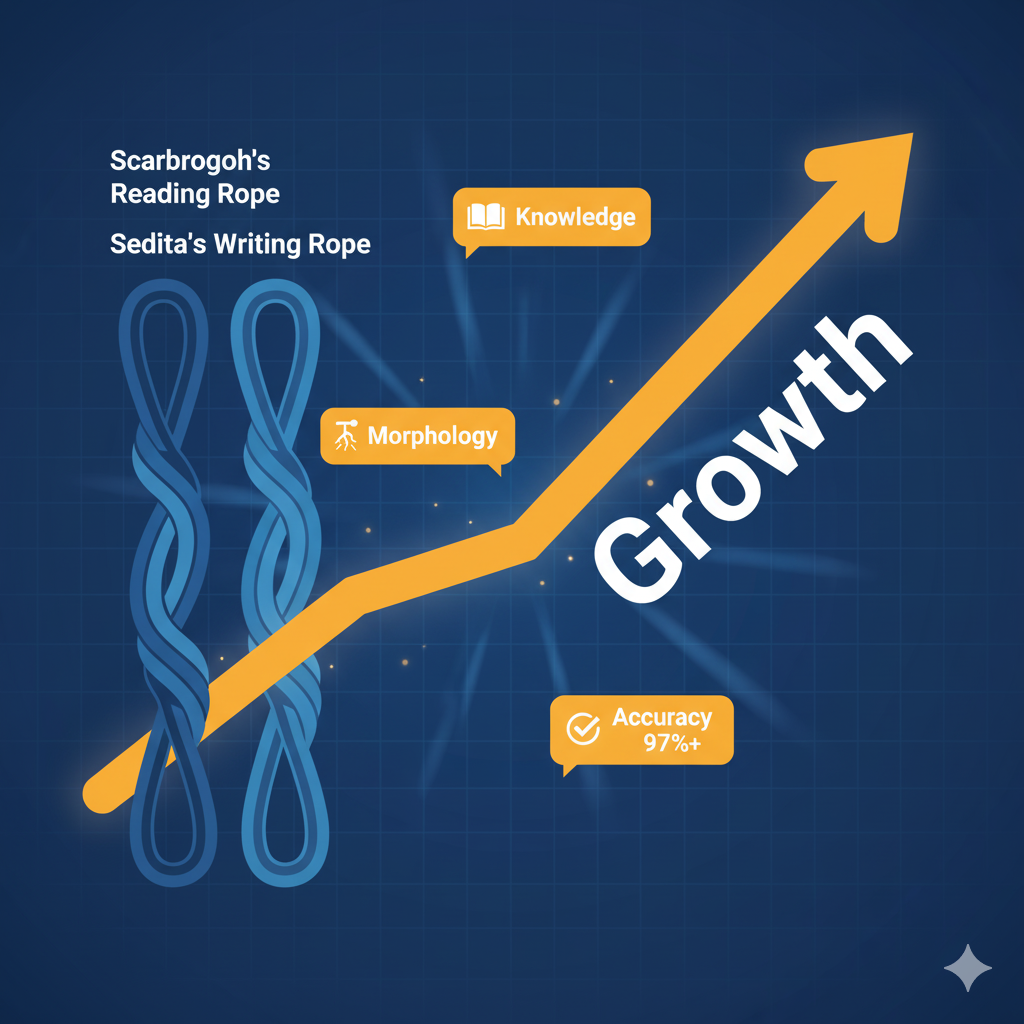
End of Term Snapshot: Reading Fluency, Accuracy, and What’s Driving Growth
Each term, I like to take a look at what is going on in my private tutoring practice. This helps me see where I need to make adjustments with teaching. I’m not just looking at increases in words per minute (WPM) and accuracy, but in the how and why of what we’ve done. I fed my data into Chat GPT and was able to draw out a summary of progress, which links to my instructional choices, and how this all ties back to evidence-based models like Scarborough’s Reading Rope and the Writing Rope.
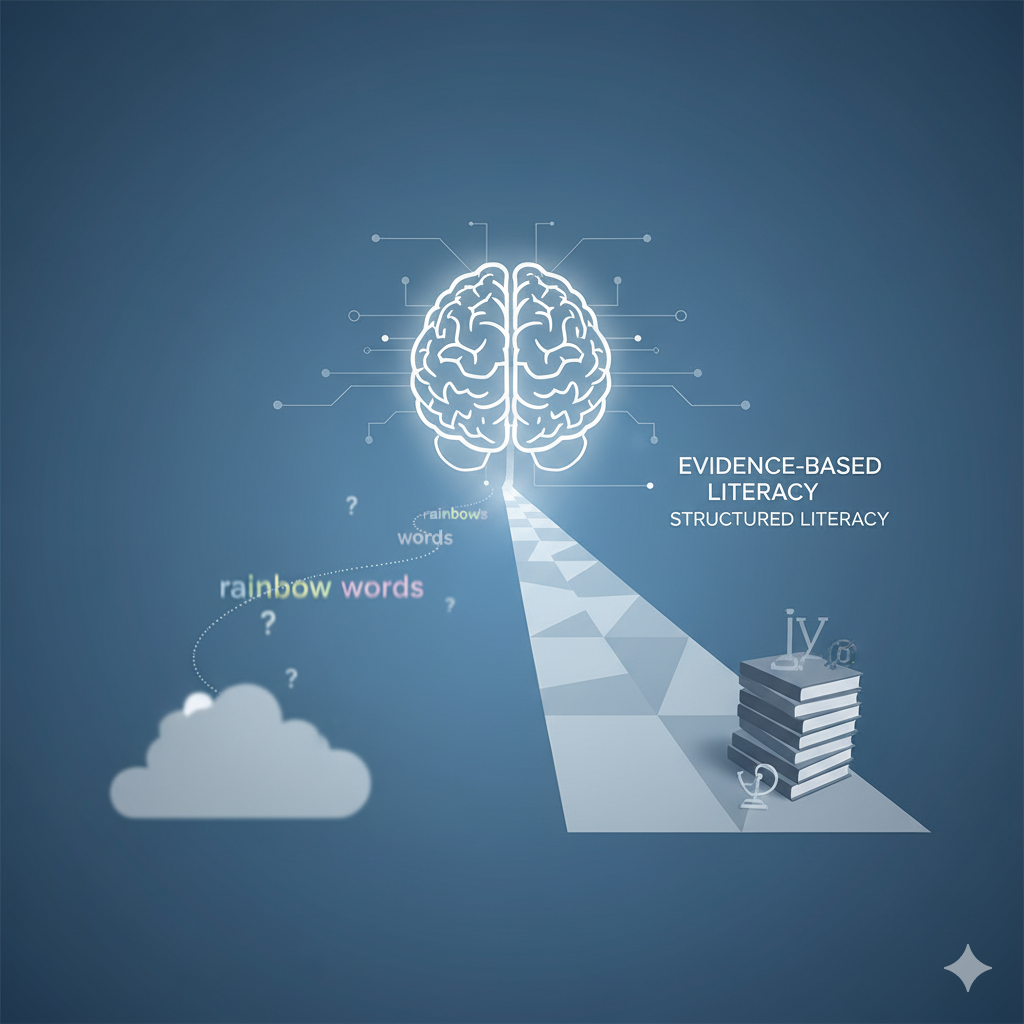
The coloured words debate
I saw a post this morning saying this from a literacy intervention specialist:
“Rainbow Words
Write tricky words in different colours. Seeing them in colour helps your brain remember!”
Some evidence supports the statement that using different colours to write tricky words helps memory; however, it is not universally proven to help with dyslexia, and when I am talking about busting dyslexia myths, this is something I bring up in every presentation I do.
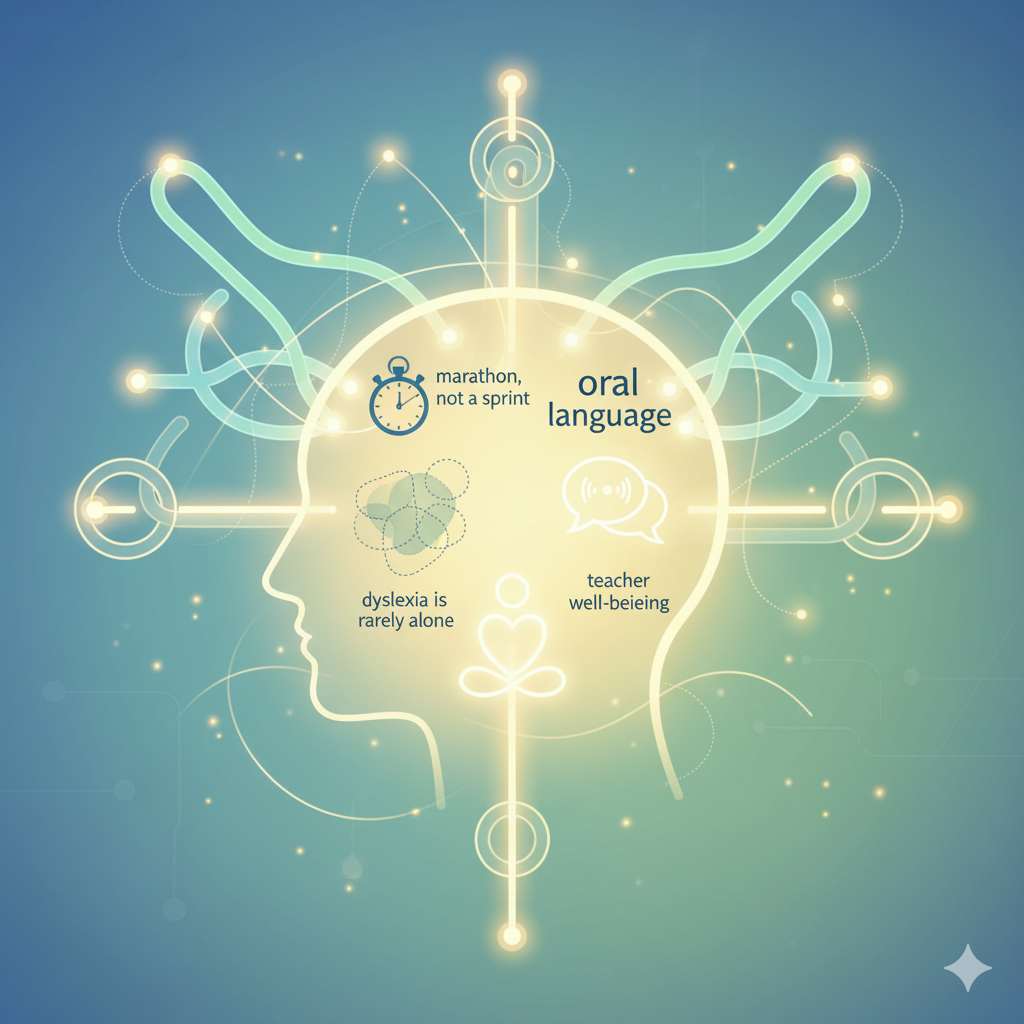
Reflecting on Episode 5: Love Literacy Inspired
Recently, I have had the pleasure of interviewing Dr Eunice Fuchs. If you haven’t already listened to the podcast, you can listen here or watch on YouTube here. I have found myself going back to this podcast several times, and so much of the conversation resonated with me. Dr Fuchs had so many teachable moments packed into the hour that I thought I might take the time to unpack these and pose some reflective questions.
Listen to the podcast first, then go through and take some notes.
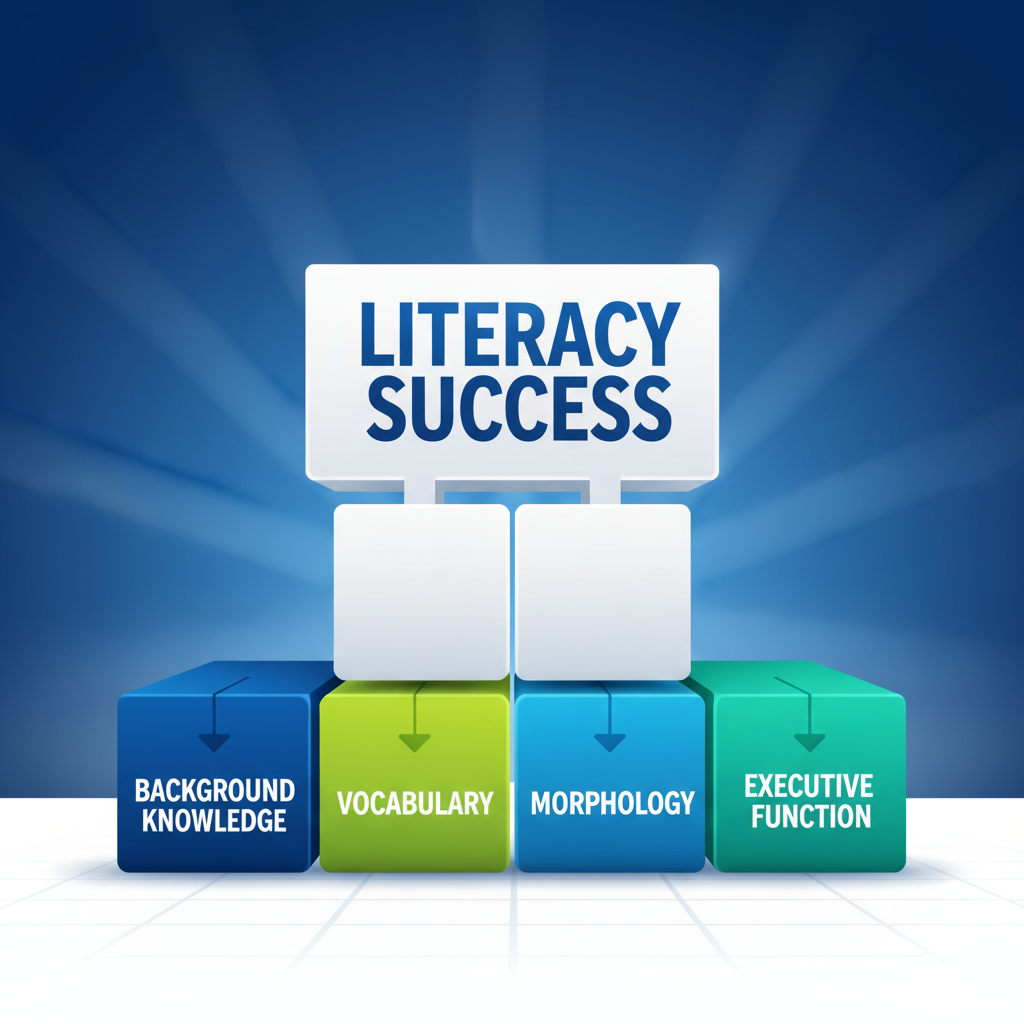
The Knowledge Rich Curriculum
A knowledge-rich curriculum refers to a curriculum that is deliberately designed to build students’ background knowledge, vocabulary, and understanding of the world in a systematic, cumulative way. We don’t leave this to chance or assume it will just ‘come along’ with generic reading or experience. (Consider biologically primary and secondary knowledge.)