
Recent Posts
Check in regularly to see what’s new!
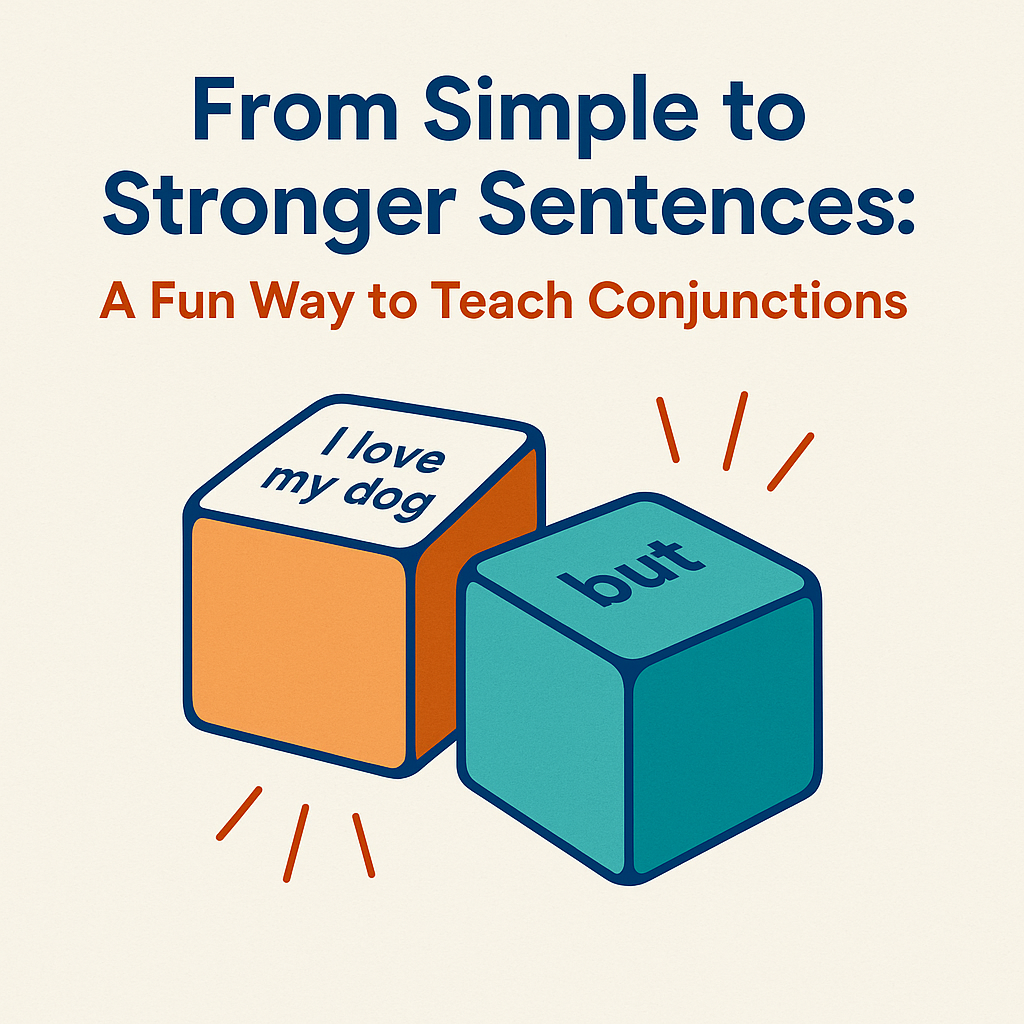
From Simple to Stronger Sentences: A Fun Way to Teach Conjunctions
Helping children move beyond “It was fun” can feel tricky, but conjunctions make it possible. By turning sentence practice into a family game with homemade dice, learners can experiment with endings like and, but, because, and so. Practising orally first builds confidence and creativity, easing the frustration of writing while strengthening sentence skills in a playful way.

What am I listening to?
Curious about what I listen to when I head out for a walk? I keep my list of podcasts small but powerful—shows that inspire me as a literacy tutor, business owner, and lifelong learner. From literacy deep-dives like Melissa and Lori Love Literacy and Reading Road Trip to thought-provoking conversations on work and personal growth, here are my go-to listens that keep me learning, laughing, and reflecting.
Why Every Classroom in Aotearoa Needs Picture Books About How We Learn to Read and Dyslexia
Explore why picture books about dyslexia belong in New Zealand classrooms. Celebrate neurodiversity, foster empathy, and equip teachers to build inclusive learning environments.
The Role of Working Memory
Working memory is like your brain’s notepad – it holds and manages information for short periods of time. For many people with dyslexia and other learning differences, this “mental workspace” can feel limited, making it harder to follow multi-step instructions, stay organised, or remember what comes next. Understanding how working memory works – and its impact beyond the classroom – is key to supporting learners in school, at home, and even in the workplace.

Dyslexia: Breaking Down the Definition
Unlock a deeper understanding of dyslexia. This post demystifies the IDA's definition, explaining key terms and shedding light on why individuals with dyslexia process language differently. Gain insights into the challenges and the incredible potential that can be realised with the right support
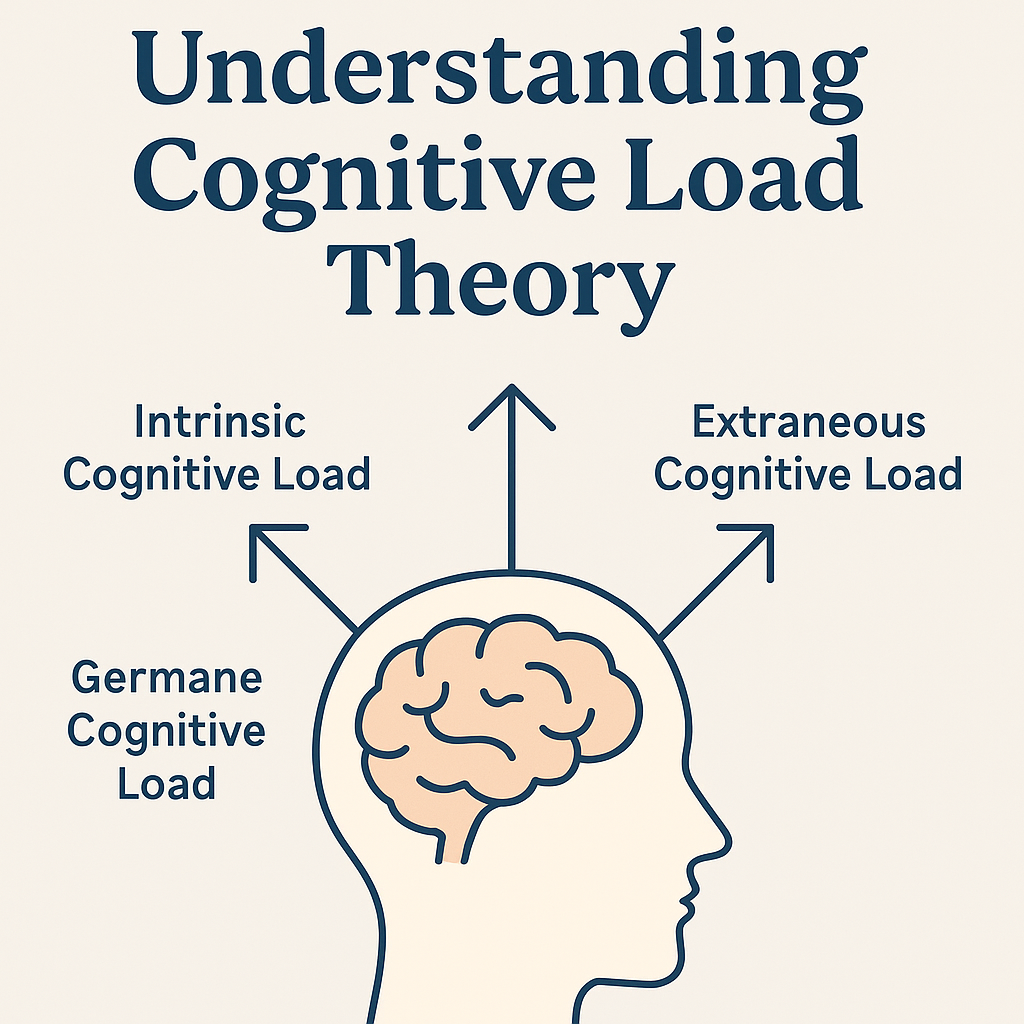
Understanding Cognitive Load Theory and its Classroom Impact
Learn how Cognitive Load Theory helps teachers reduce overload, support dyslexic learners, and create classrooms where all students thrive.
What is interleaving?
Discover how interleaving strengthens reading, writing, and spelling in structured literacy. Practical examples and tips for teachers.

Navigating the Write Way - Part Four.
In this post, I will talk about the declining rates of writing in New Zealand and pose some questions to think about the reasons why. I will then look at my own anecdotal data on where the majority of gaps lie in writing with my students. We will then look at where you could start in order to build your own knowledge about teaching writing.

Navigating the Write way - part three.
In this blog post, we will deviate slightly by looking at The Simple View of Writing through a Dysgraphic and Dyslexic lens. In this post, I hope to provide insights and knowledge so you may make informed decisions about students who need additional support with writing before it’s too late.

Navigating the Write Way - Part Two.
This week, we will look at some of the theory behind writing. The Simple View of Writing (Berninger et al., 2002) is a theoretical framework focusing on Writing being the end result of two sets of skills, namely Text Generation and Transcription.

Navigating the Write Way - Part One.
In this blog post on writing, I look at the complexity of writing and its significance in various aspects of life, including education and career success. I explore the definition of writing and talk about the importance of mastering this essential skill.

Sometimes I get it wrong!
This week I wanted to reflect on not always getting it right. It’s pretty challenging to get everything right all the time, even with the best tools at our disposal!
What is Invented Spelling?
Invented spelling refers to the early attempts made by young children to spell words based on their own judgments and understanding of phonetic principles. It can occur as children begin to explore and develop their understanding of written English, using their knowledge of letter-sound correspondences to represent words in their own way. This is a good thing, as this process allows children to actively engage with spelling and language, and gradually develop their understanding of English orthography. Invented spelling in a nutshell, is children's early attempts to bridge the gap between spoken language and written text, demonstrating their emerging literacy skills and readiness for formal spelling instruction.

The older dyslexic learner.
In this blog post, I'll briefly explore strategies for working with dyslexic students while preserving their sense of intelligence and capability. As educators, it's crucial to acknowledge and honor the mana, or inherent dignity and worth, of dyslexic students throughout their learning journey.
Reasons to write the date in full.
A daily practice for any of the students who come through my door and sit down with me for literacy tutoring is to write the date in full. Initially, it’s time-consuming for many students; however, as they begin to build automaticity with this task, the time once taken soon disappears. Why do I do this? Quite simply, the task of writing the date in full can be a teachable moment on so many levels.

Why do we need review?
A big part of my teaching practice during the lessons I teach is review. In fact, in most lessons, the new concept is only presented in the final 15 minutes of a 50-minute lesson. The rest is a review of previous skills taught. Review is so important, as it plays a big role in strengthening previous knowledge and enhancing recall. Research suggests that daily review aids in effortlessly recalling words, concepts, and procedures, thus contributing to expertise development through consistent practice.
Why do I assess?
Assessment is the process of collecting information, and it can allow us to understand more about the progress of an individual. Assessments support to identify strengths and challenges, and from that, conclusions and recommendations can be reached.
A literacy assessment therefore is the process of collecting specific information in regards to literacy through various screening tools, to understand the strengths and challenges an individual has in the area of literacy. In this case, literacy means reading, writing, and spelling.
Back to tutoring next week.
Phew, it’s been a busy week this week, and what has been on top, has been preparing for learning next week. Lessons for my students start back next week, and I thought I might share with you some of the things I have been doing to prepare.
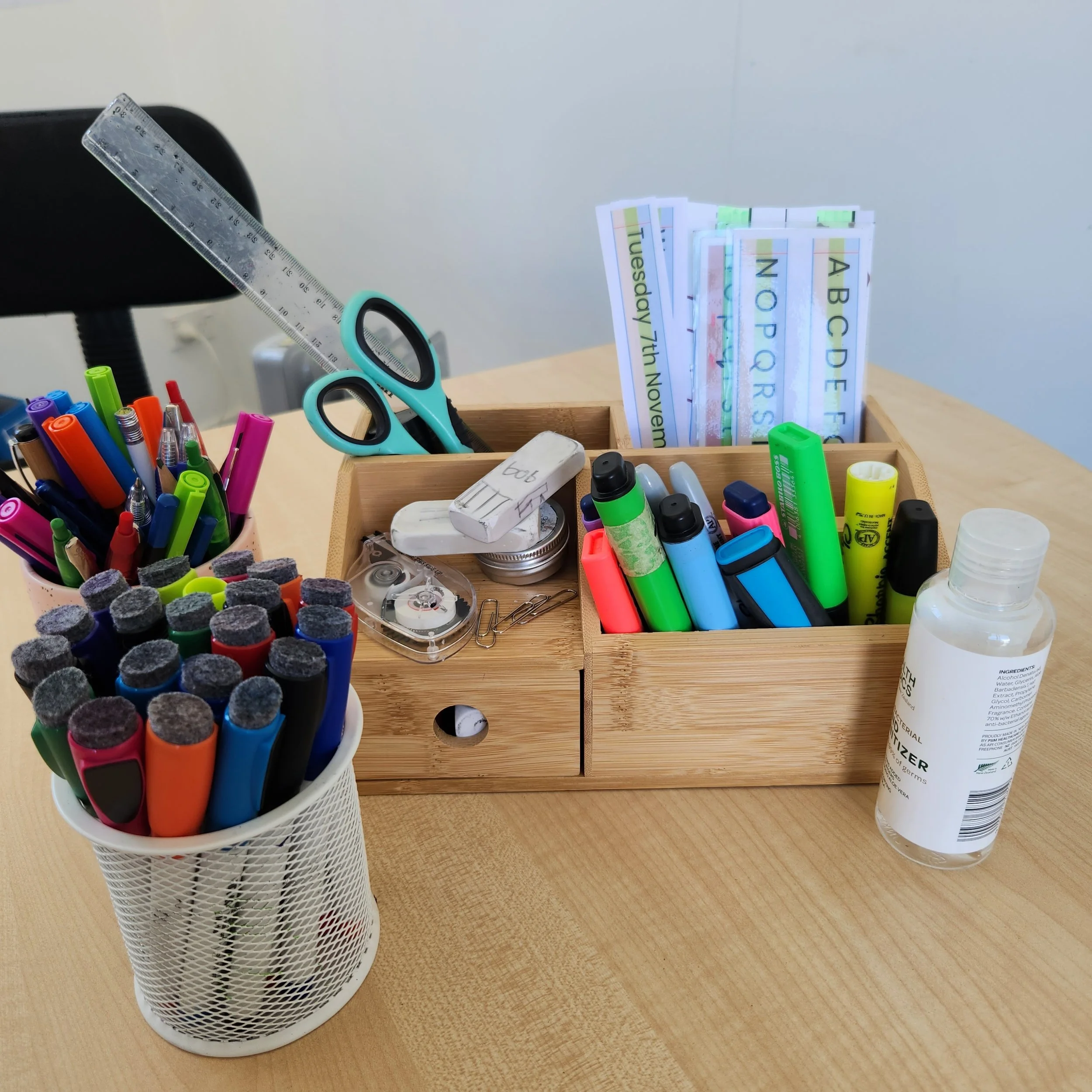
What is on my tutoring desk?
What are the top must-have items on my desk, to support lessons running smoothly? It’s a bit of a lighter blog post this week, as we head into the final 5 weeks of term, and our poor brains are at capacity with assessment, report writing, and generally keeping it together. Due to this, I thought I might share the things I keep on my desk, and how I store them all.
It’s a wrap for Dyslexia Awareness Month 2023
It’s a wrap for Dyslexia Awareness Month, but it’s not a wrap for those who have Dyslexia. Dyslexia is lifelong, and in the realm of learning differences, it can stand as a formidable challenge, a real and tangible obstacle that individuals face in not only their educational journey but also in their journey of life. Dyslexia influences the acquisition of crucial reading and writing skills. Moreover, it has a familial connection that weaves its way through generations, solidifying its presence as more than just an individual struggle.